My Instruments & Equipment
Like most musicians, the instruments and equipment I’ve used have changed considerably over the years. Some were bought because they were all I could afford at the time, others because they were practical for gigging, and a few simply because I fell in love with them.
The Early Days
My first bass guitar was a Kawai, a great little entry-level bass with a short neck. I played it in my first band with Nick Mirbach and Peter Haddow.
In those early days, proper amplification was something of a luxury. We somehow managed by plugging our instruments into a stereo amplifier/receiver with additional speakers attached. It certainly wasn’t ideal, but it worked!
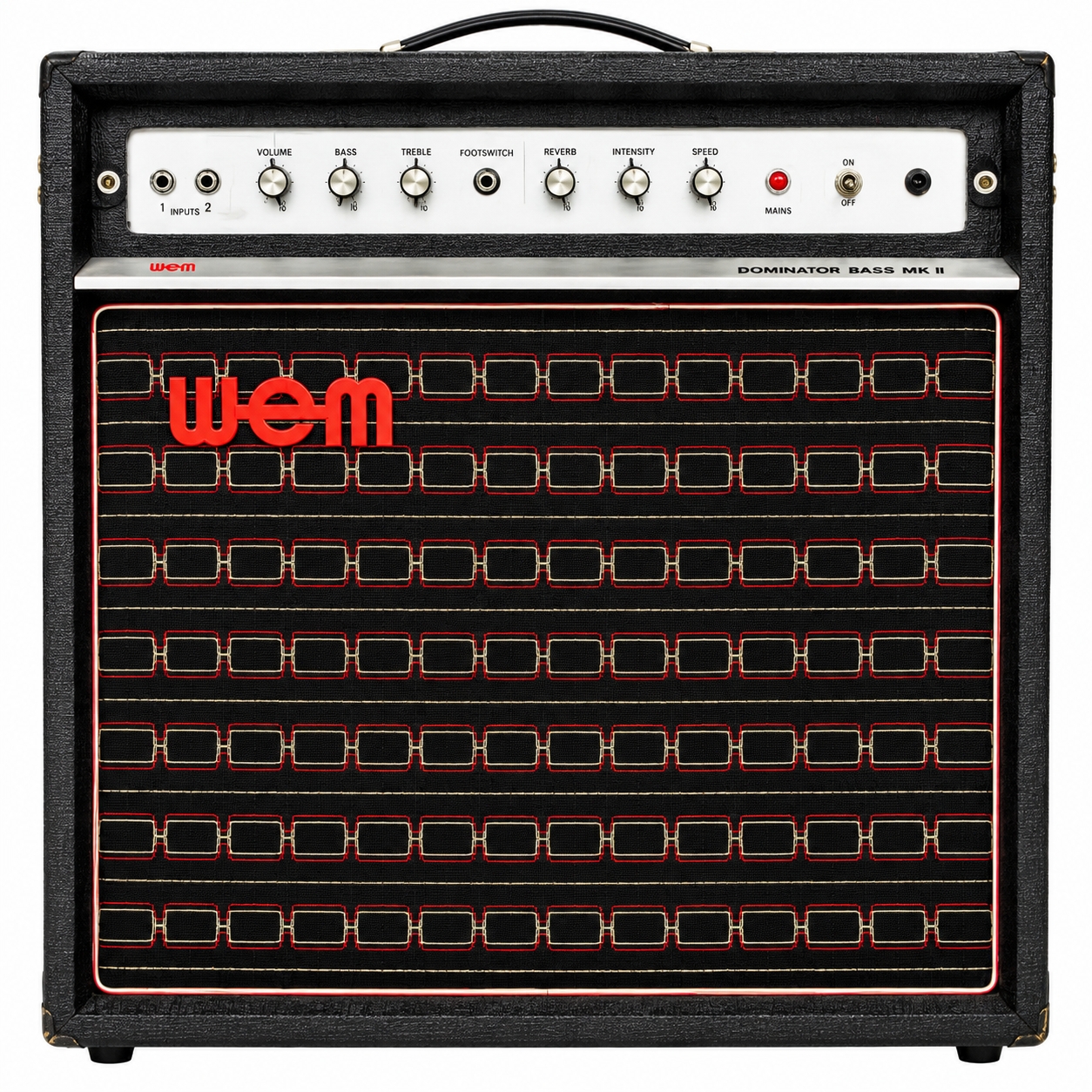
Eventually, I managed to get hold of an old WEM amplifier and speaker cabinet, which at the time seemed like an enormous improvement.
The 1962 Fender Jazz Bass
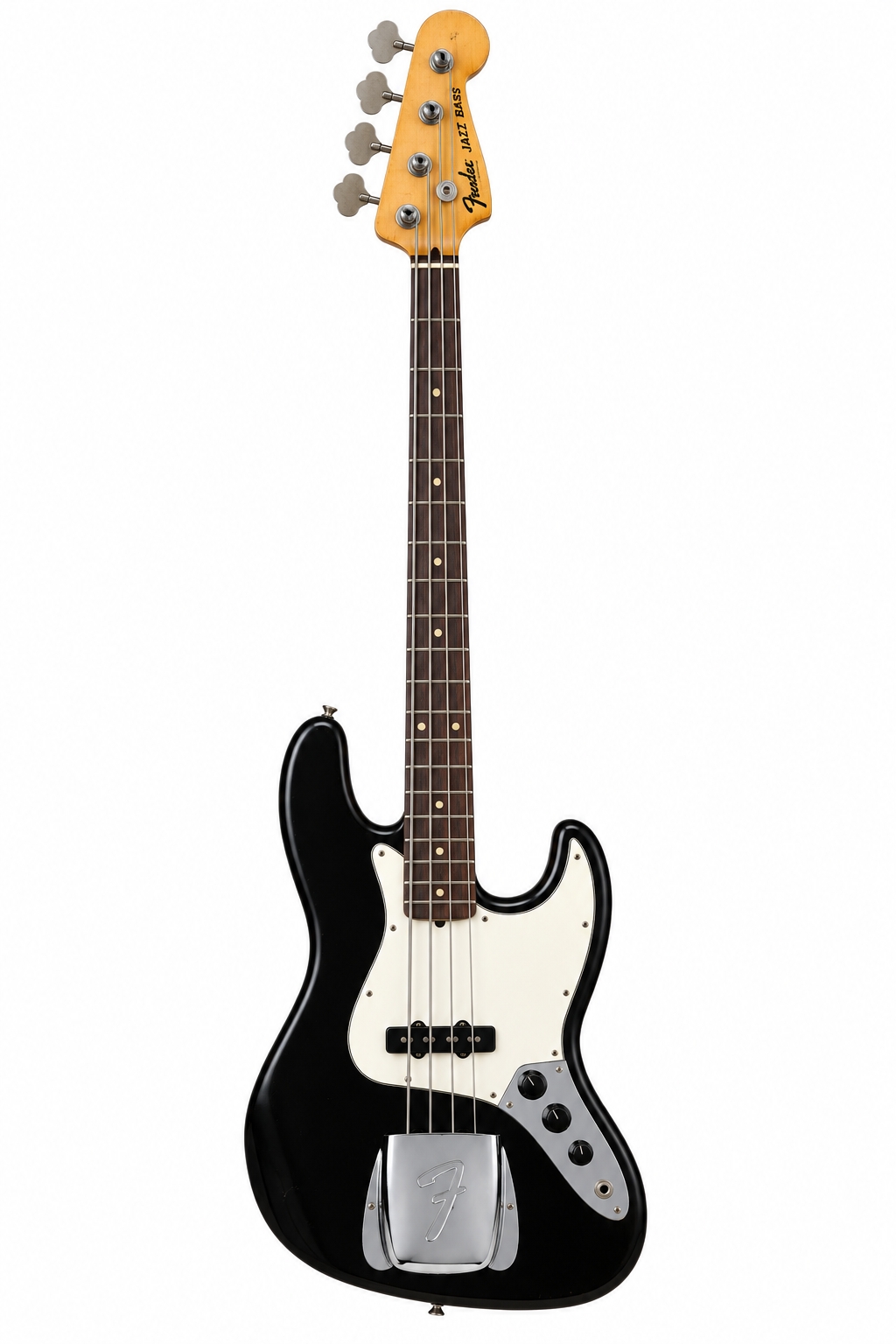
In Cape Town in 1977, I made what would turn out to be one of the best musical purchases of my life—a beautiful pre-CBS 1962 Fender Jazz Bass.
It had its original pickups, chrome covers and hard case, and I paid the grand sum of R100—about $50 at the time.
That Fender became my main bass and travelled with me around the world. It followed me from South Africa to Israel, England and eventually Canada, surviving countless rehearsals, gigs and moves along the way. I finally sold it in Toronto in 1998 for $4,000. Looking back, I probably should have kept it!
Marshall Power
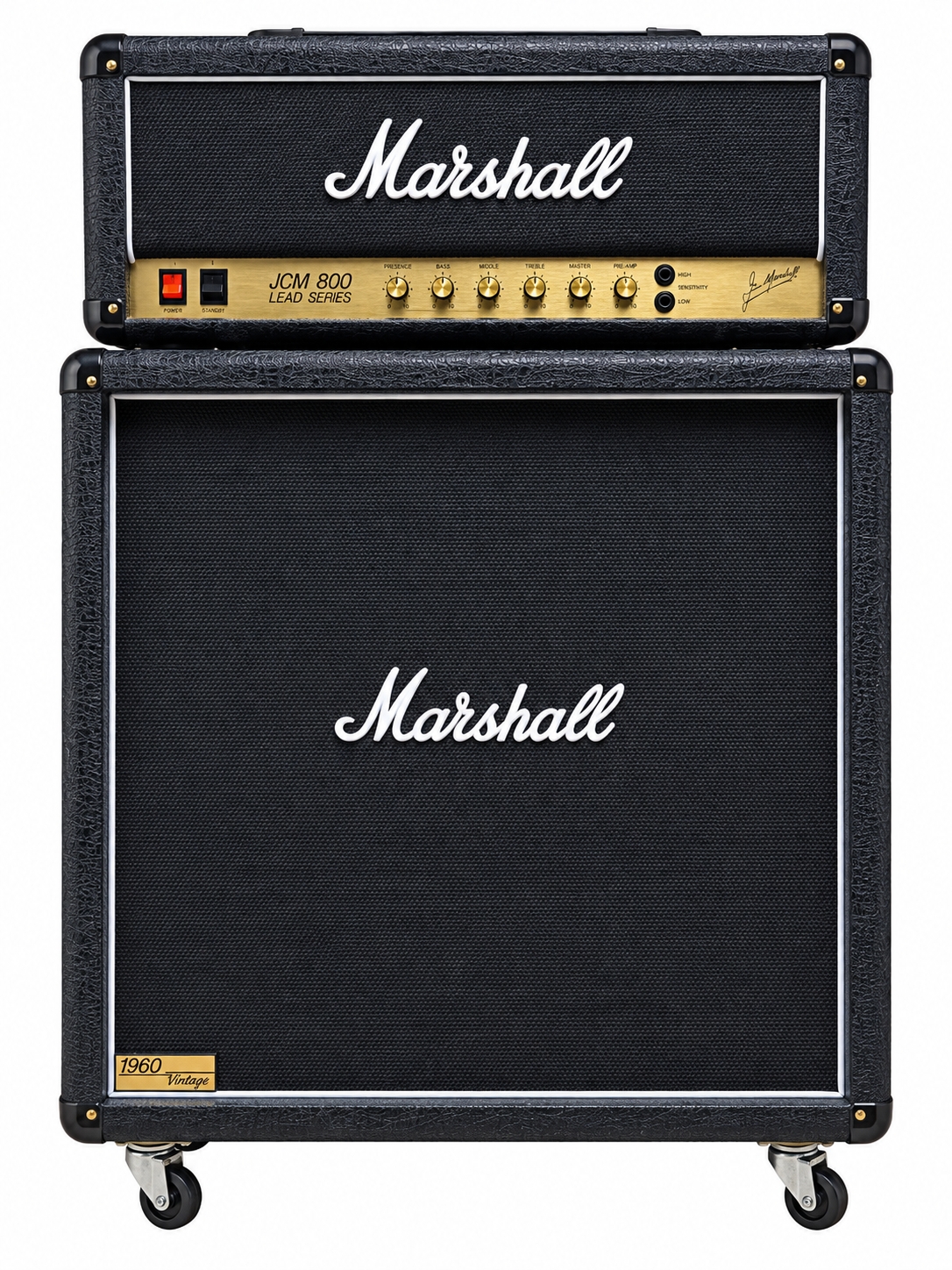
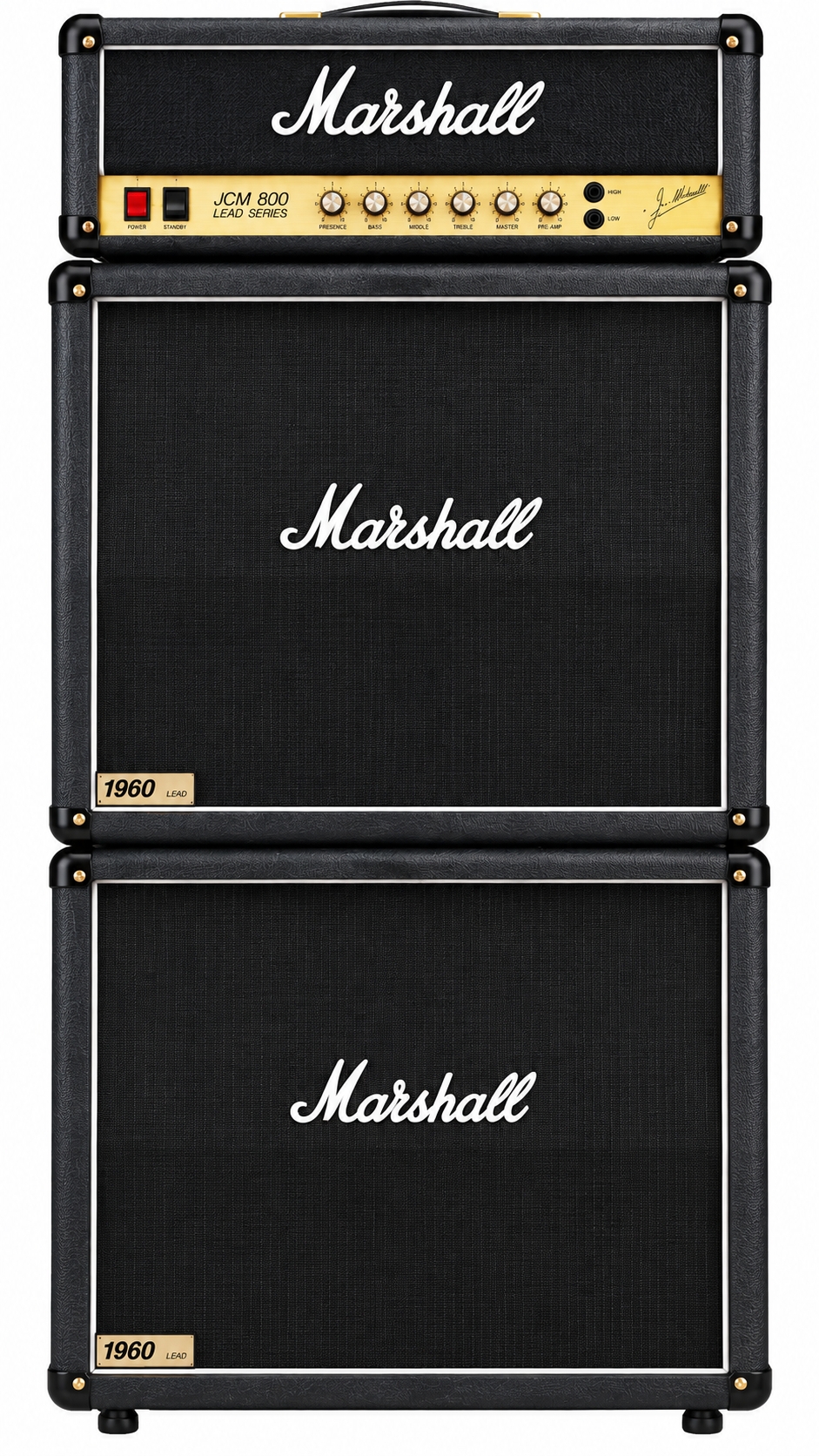
My early serious bass amplification consisted of a 120-watt Marshall head driving a single 1×15” cabinet.
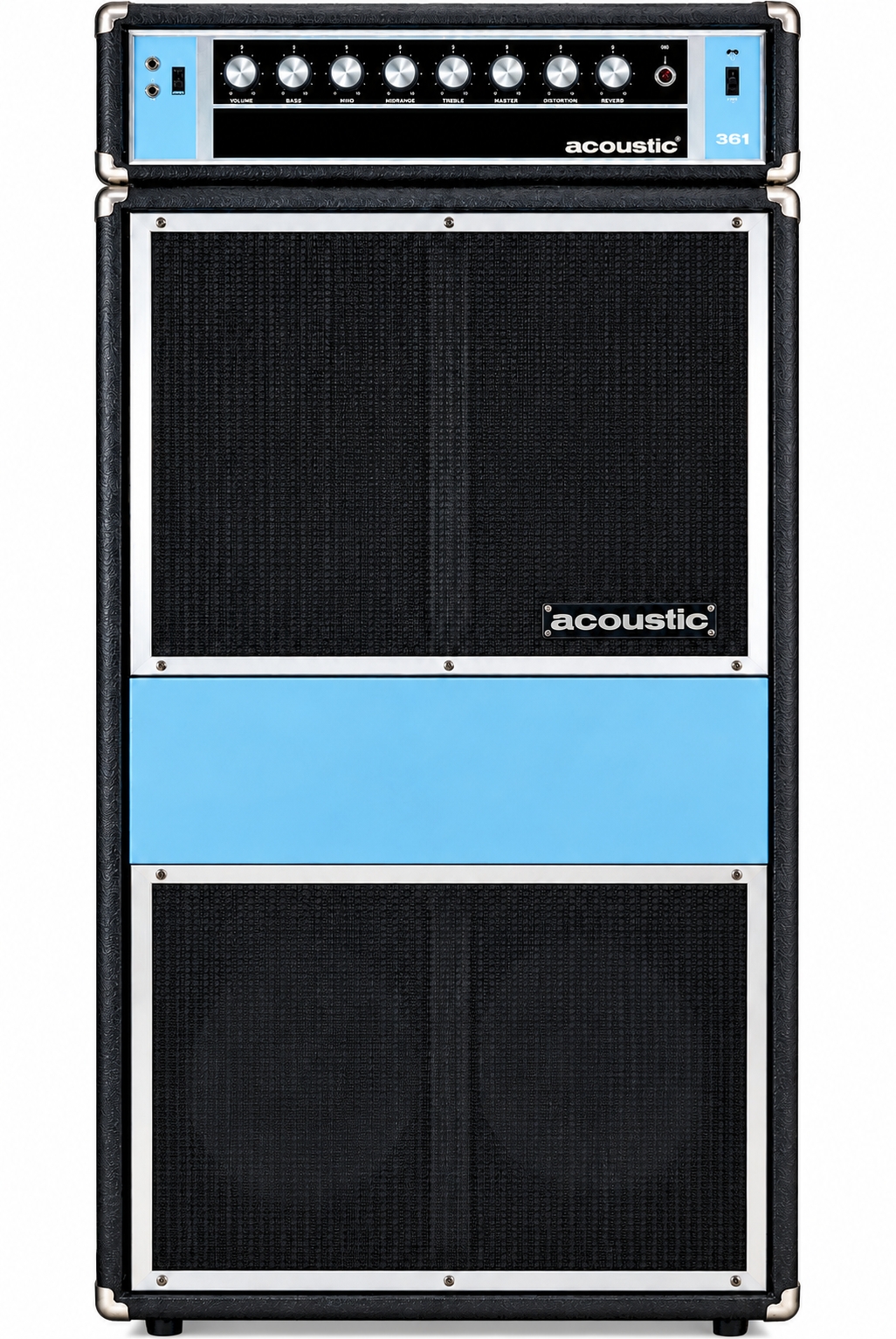
When I played with Forum in 1978, I added a 4×12” cabinet to give the bass more definition and high-end presence. It made for a formidable stack—and quite a lot of equipment to move around.
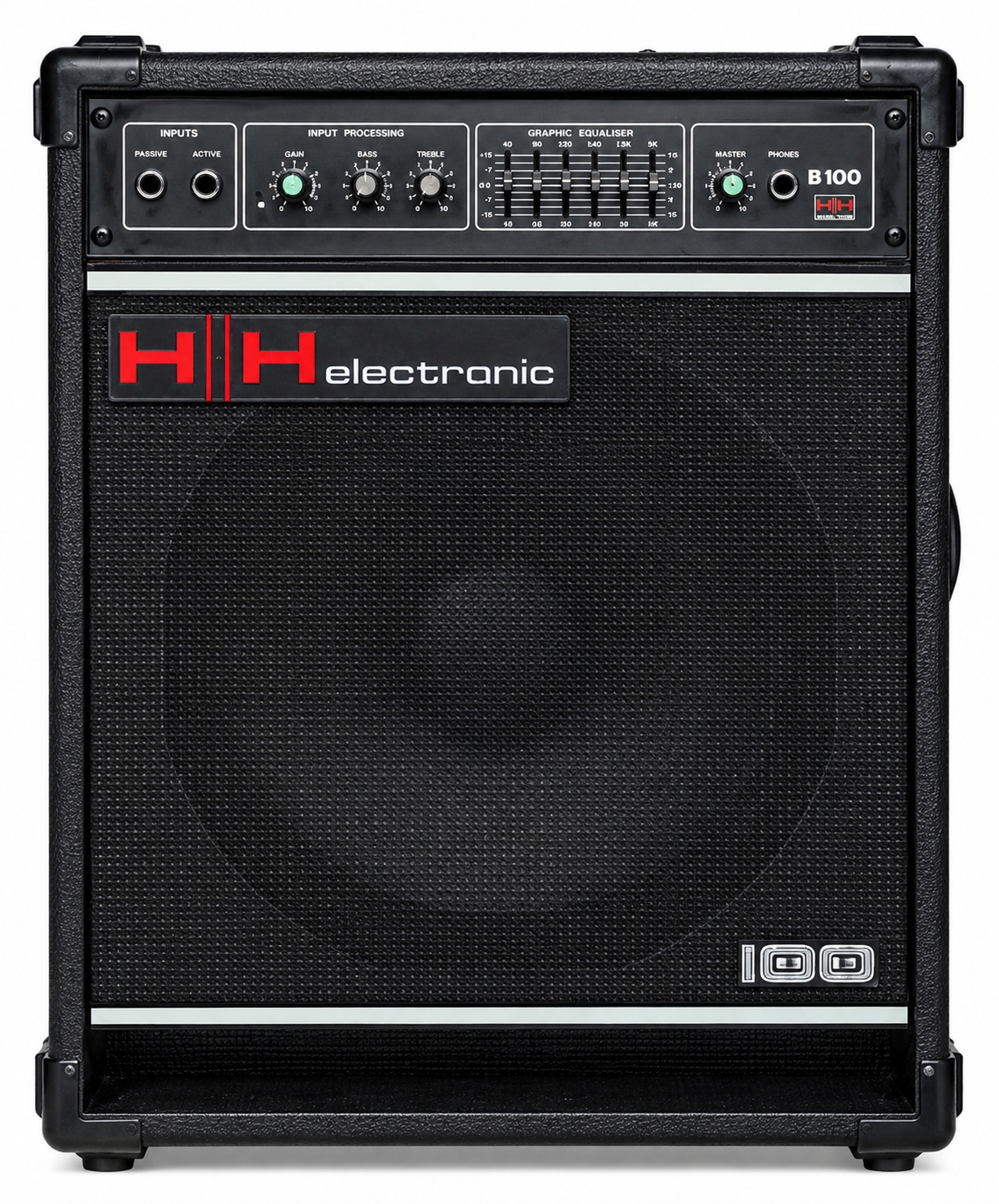
During my brief time in London, I used an HH Bass Combo, but after returning to Cape Town I went back to Marshall equipment.
The Cape Town Collection
Over the years in Cape Town, I managed to accumulate a variety of instruments.
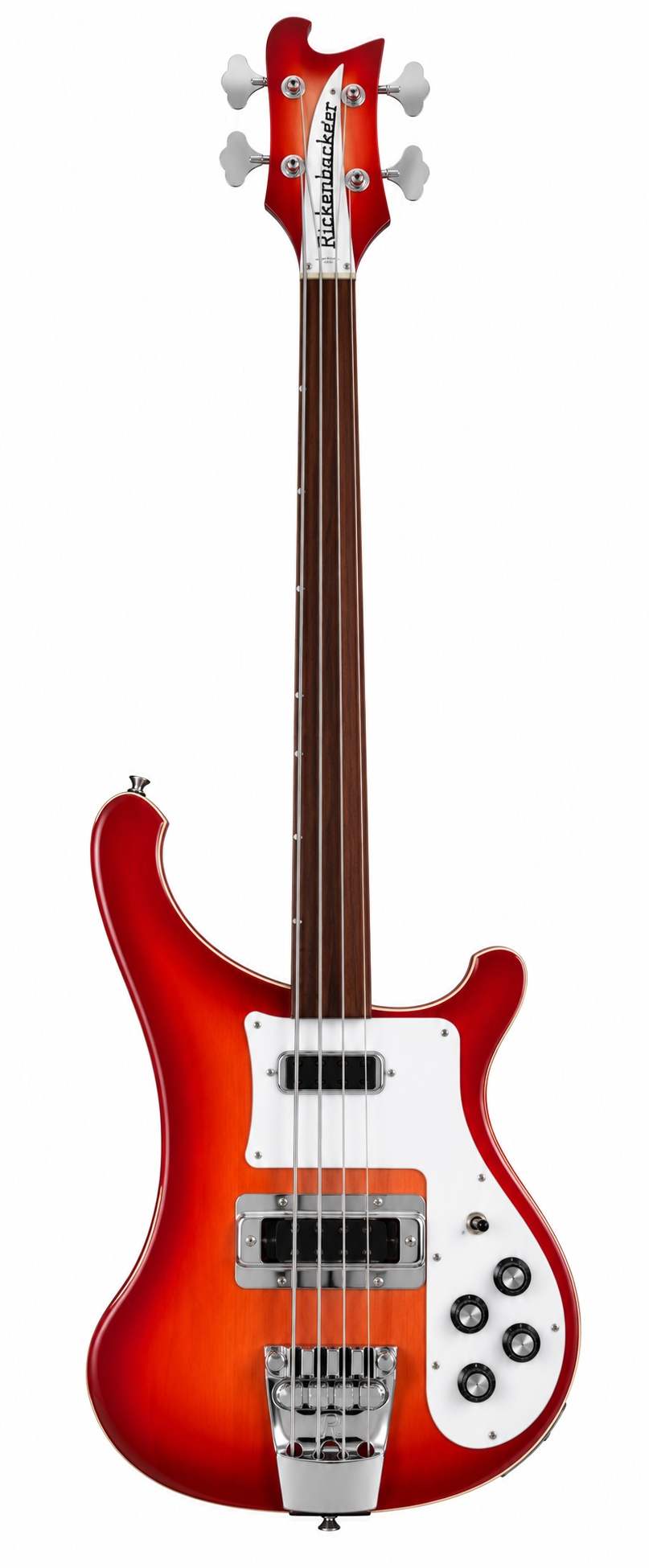
One of the more unusual was a rare red fretless Rickenbacker bass. It had a completely different character from the Fender and was particularly enjoyable for the jazzier material I was playing.
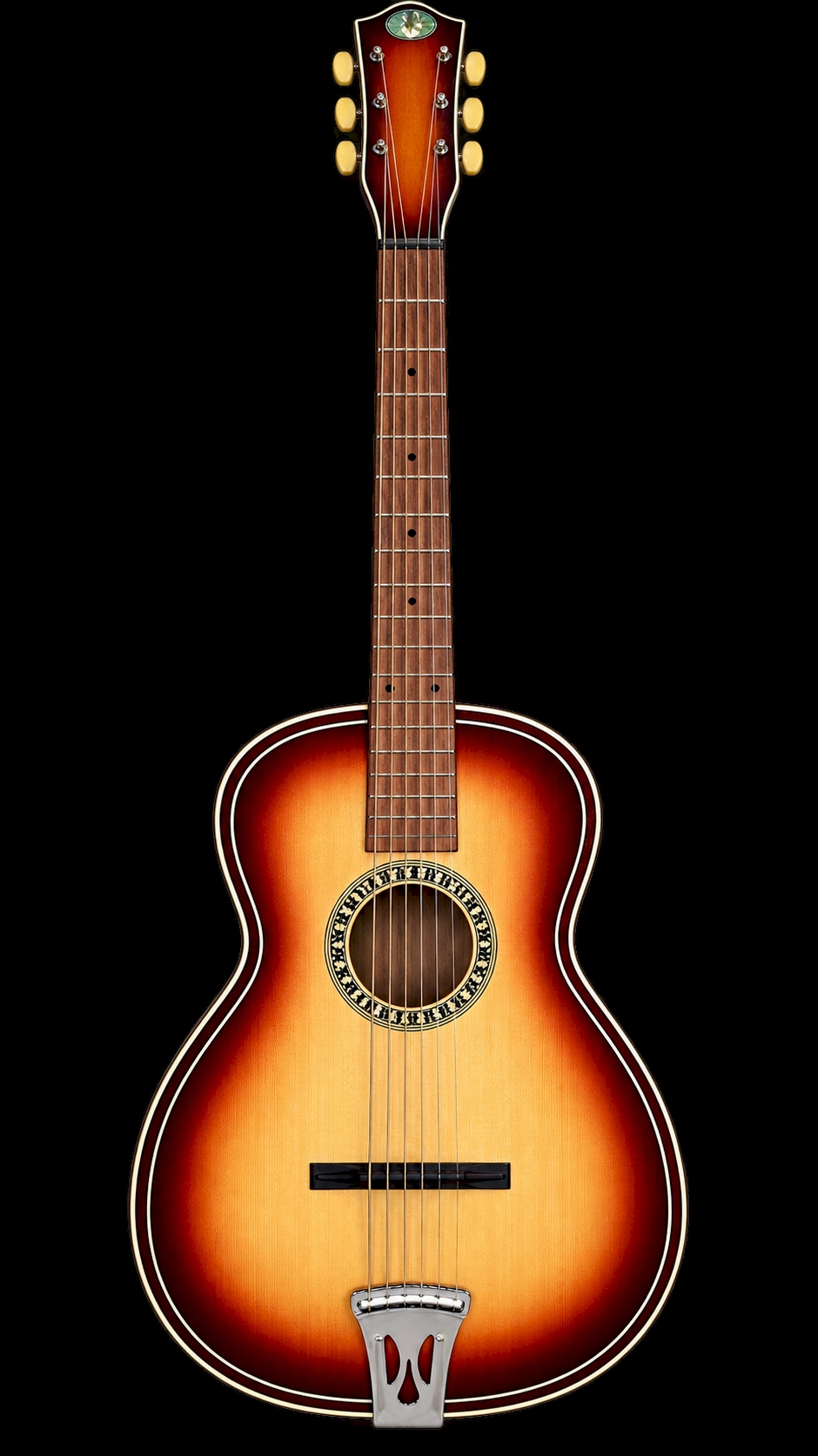
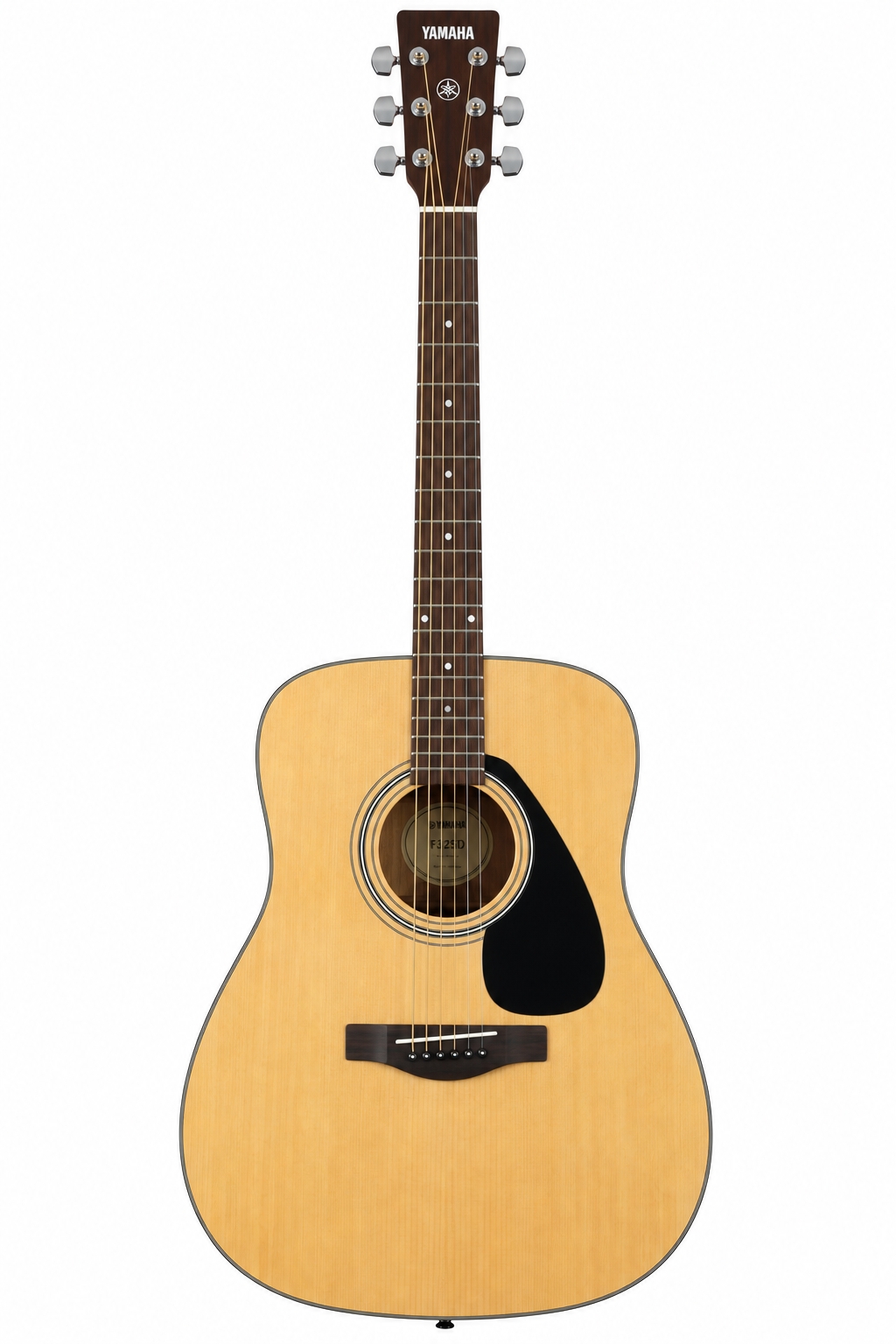
There was also usually a Yamaha acoustic guitar somewhere nearby. Every bass player needs an acoustic guitar knocking around the house!
Starting Again in Canada
After moving to Canada, my equipment continued to evolve.
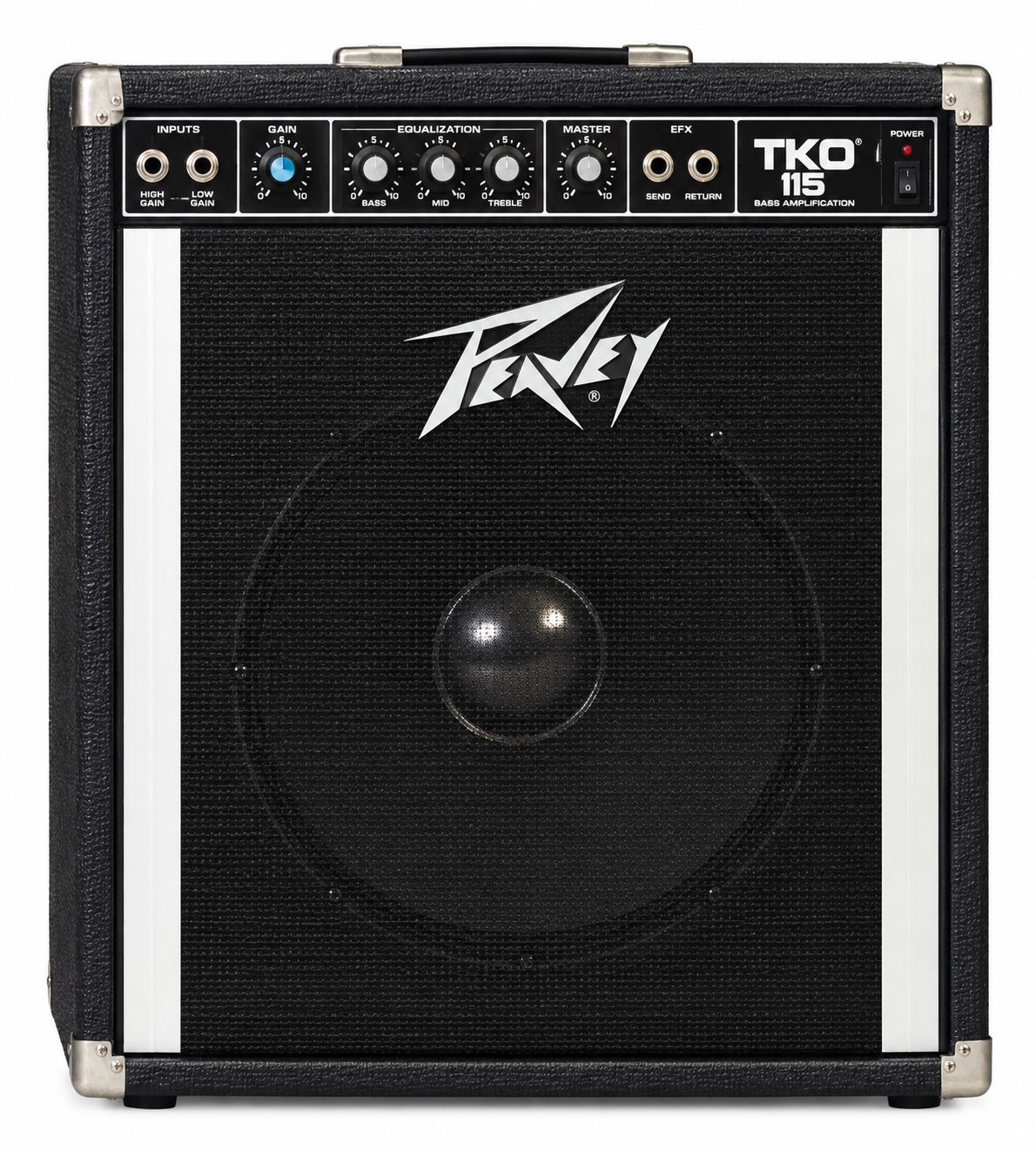
I initially used an Ampeg bass amplifier, but it was simply too large and cumbersome to haul around. I eventually downsized to a Peavey combo, fitted with a 15” Black Widow speaker for some additional punch and power.
My bass collection grew again as well.
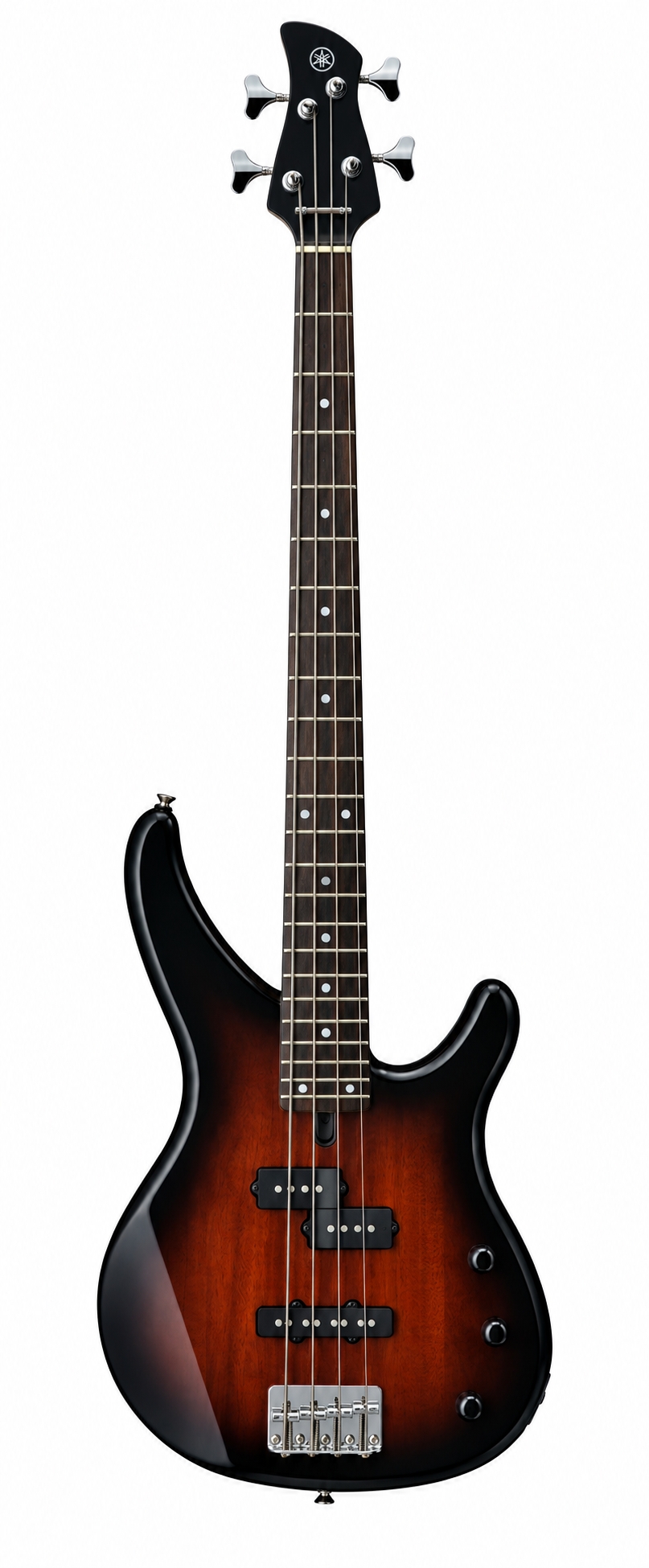
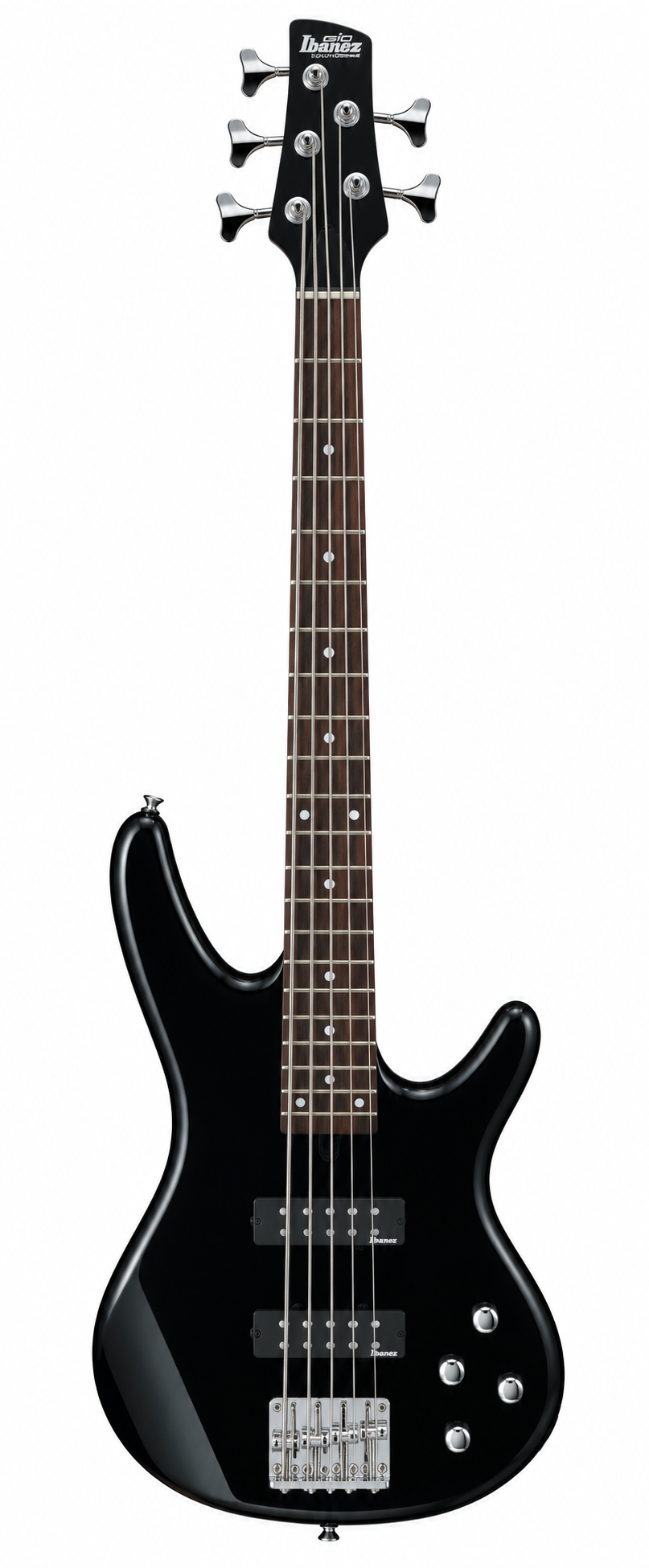
An Ibanez Gio five-string became useful for studio recording, while a lightweight Yamaha four-string was a practical choice for gigs.
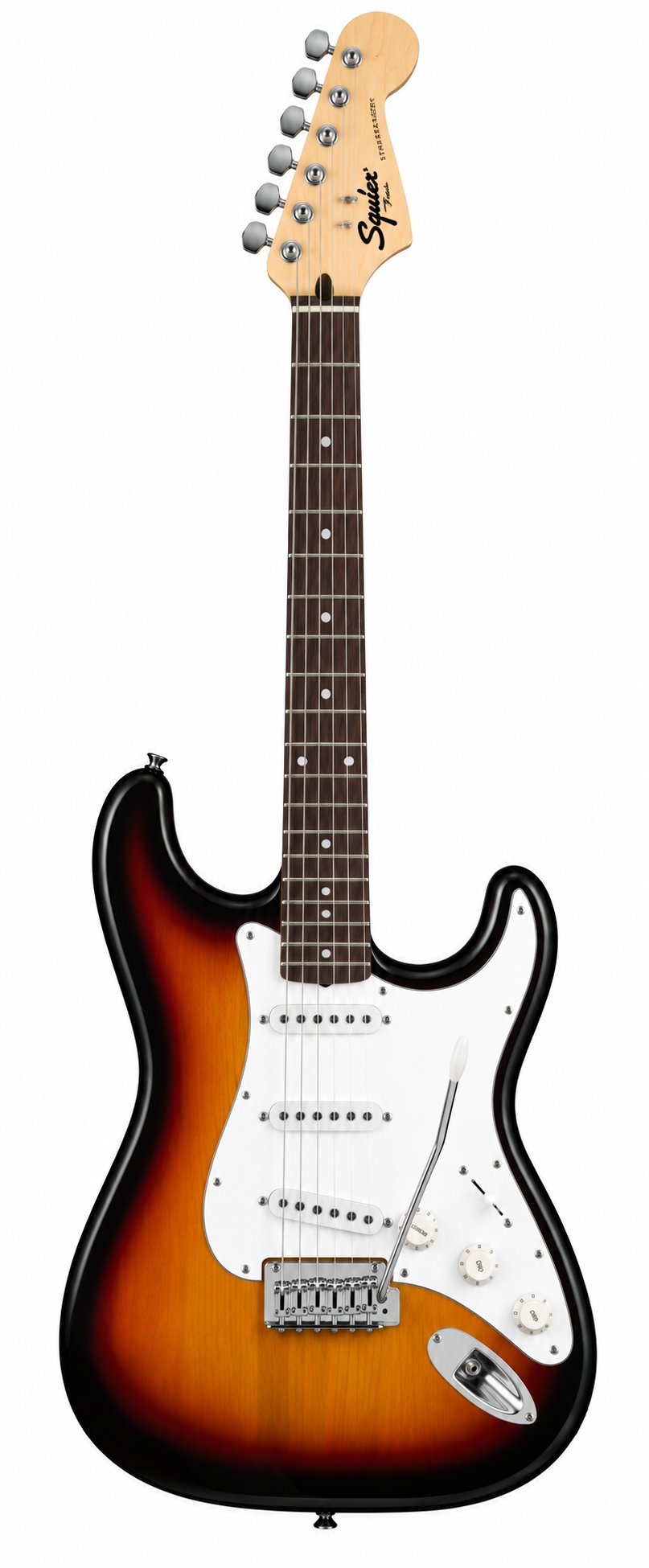
I also came across a used Fender Squier bass for only $150—and the deal even included a little Fender Rebel amplifier. I particularly loved the colour, so that one was difficult to resist.
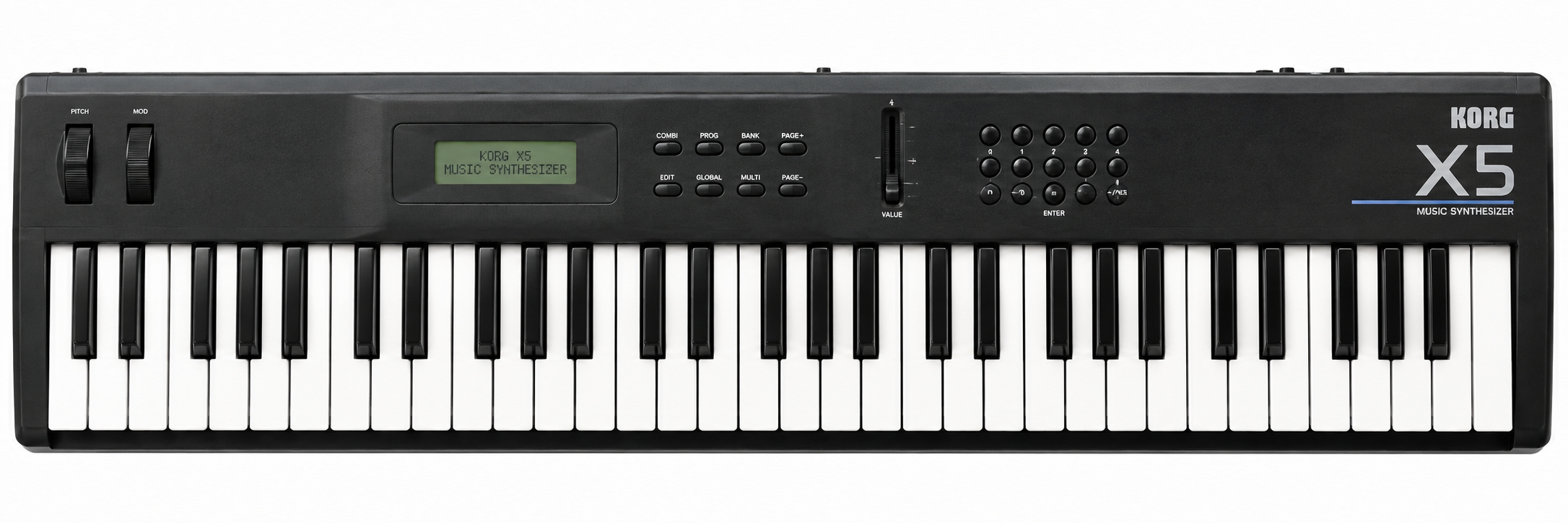
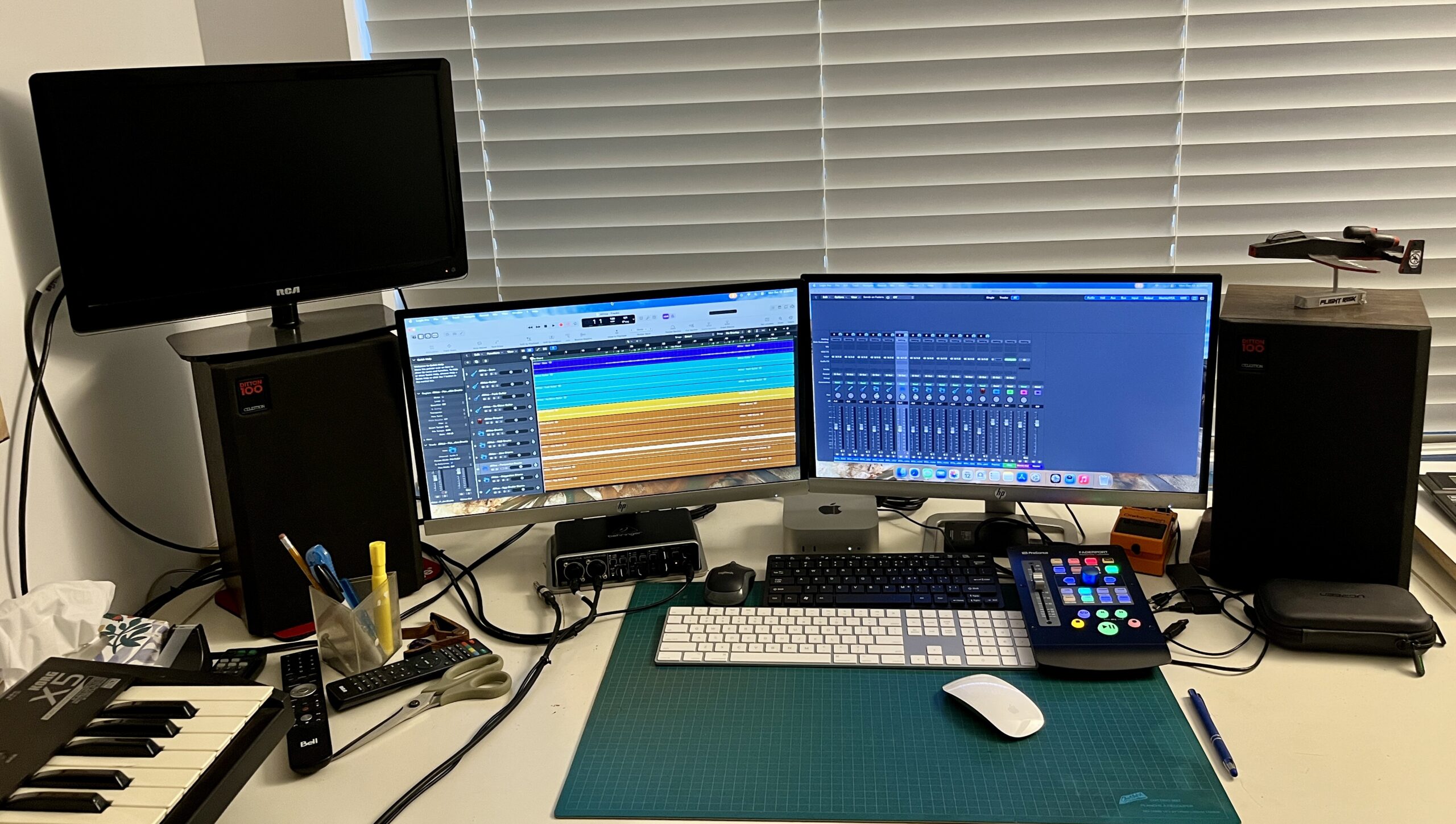
For composing and MIDI work, I have continued to use my trusty Korg X5 keyboard. It’s certainly old technology by today’s standards, but it still works and continues to earn its place in my studio.
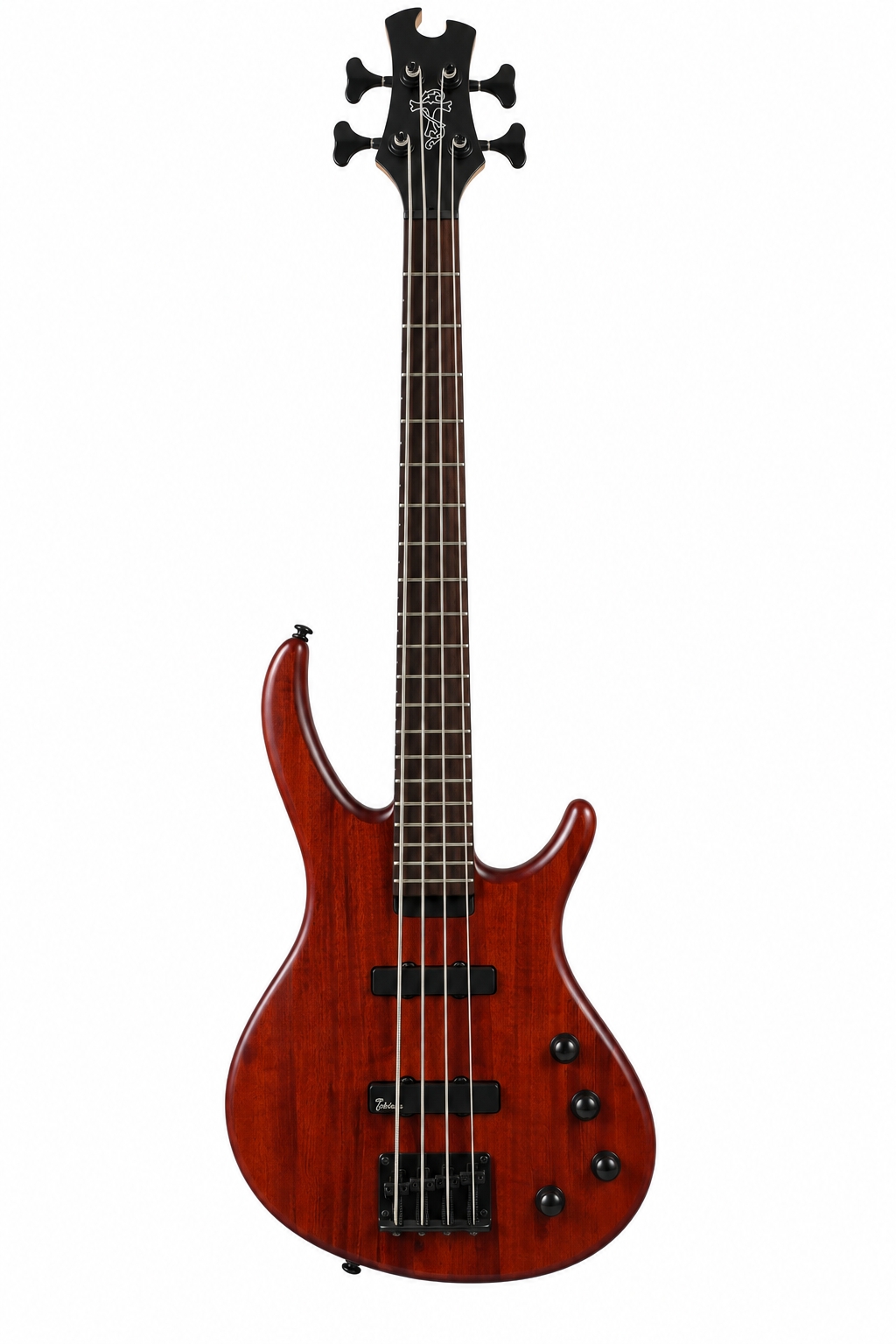
Later, I added an Epiphone Toby bass, designed by legendary bass builder Michael Tobias.
Mesa Power Without the Weight
After years of hauling heavy bass amplifiers and speaker cabinets around—and with my back increasingly reminding me that I wasn’t twenty anymore—I decided it was time for something lighter.
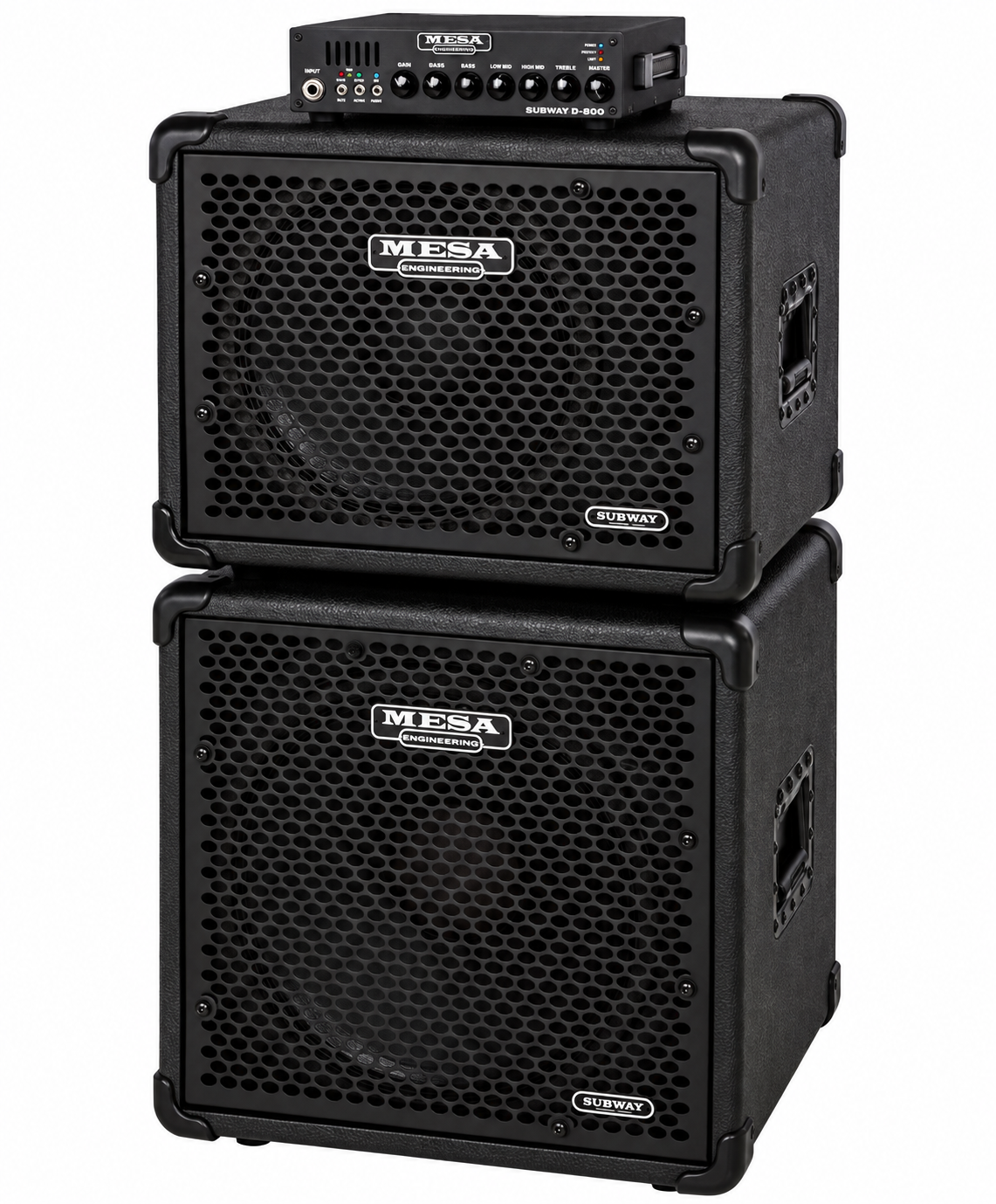
I moved to Mesa equipment. The heart of the system is a Mesa D-800 bass amplifier, capable of delivering serious power from an amazingly compact head. Paired with 1×12” and 1×15” speaker cabinets, it gives me all the power and bottom end I could possibly need without having to drag an enormous old-school bass rig to every gig.
Expensive? Yes.
Worth it? Absolutely!
Back Where I Started
Eventually, after returning to regular band playing, I found myself wanting the bass that had always felt most natural to me. So after all the different instruments I’d owned and played over the decades, I came full circle and bought another black-and-white Fender Jazz Bass. It wasn’t the 1962 Fender that had travelled the world with me all those years ago, but picking up a Jazz Bass again felt immediately familiar.
After all the different basses, amplifiers and equipment I’ve owned over the years, I somehow ended up back where I started.
With a Fender Jazz Bass in my hands.